Capital allowances
Every commercial building contains fixtures that qualify for capital allowances. The wiring, the heating, the lighting, the sanitaryware. Most owners have never claimed a penny of it, because it is not something an ordinary tax return picks up.
Read how it worksStart with your property
A few questions, no cost, and a straight answer either way.
Capital allowances are not about the bricks. They are about everything inside the building that makes it work.

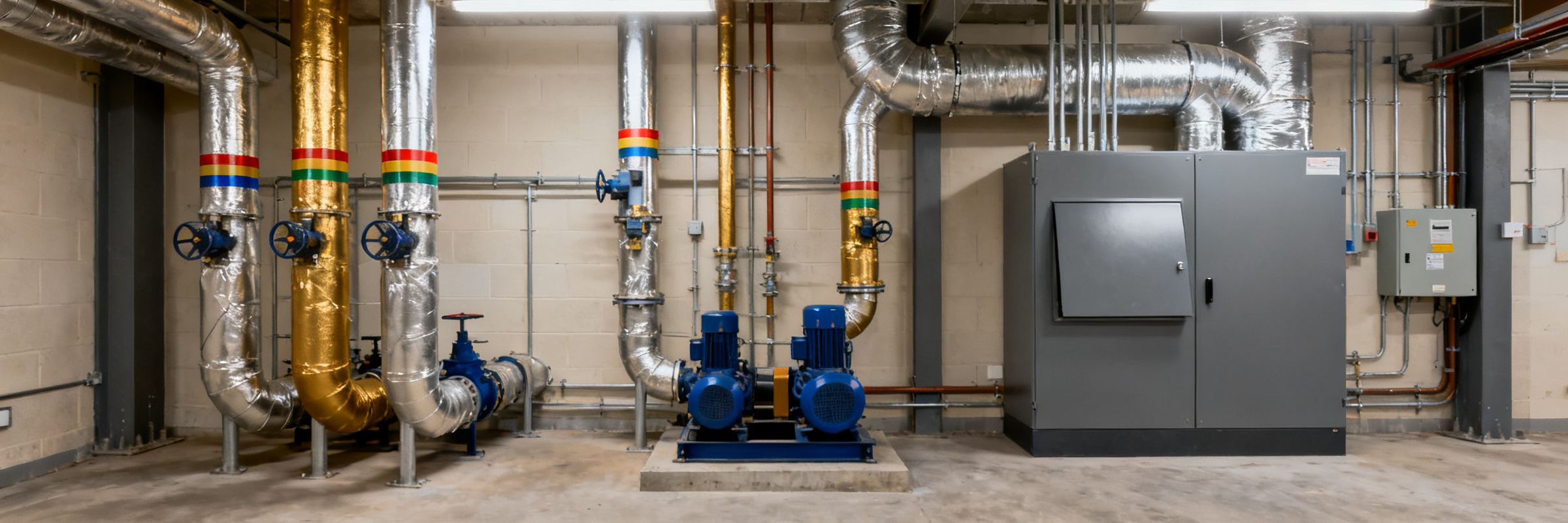
A share of what you paid for a commercial property relates to fixtures already in the building. That share can qualify, even if the purchase was years ago and you have owned it ever since.
How this one works
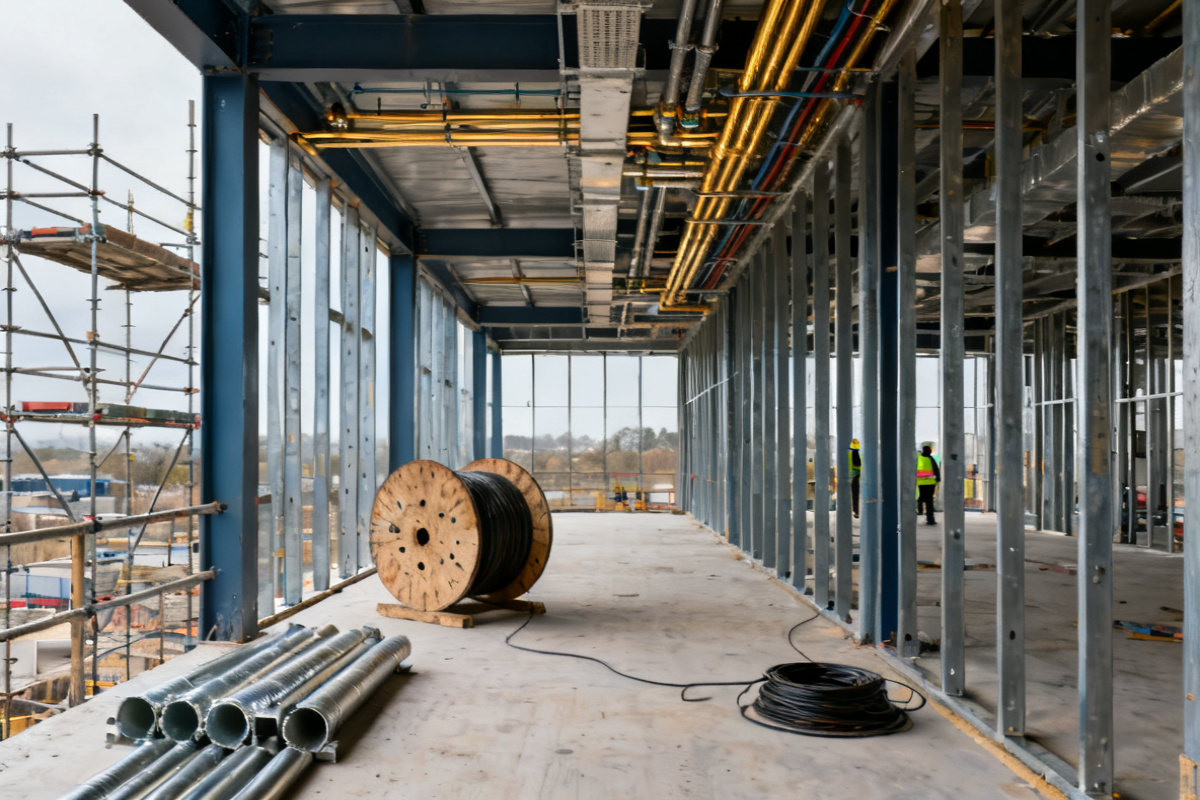
New build and extension costs split between the structure and the plant inside it. The structure has its own relief. The plant has a better one.
How this one works
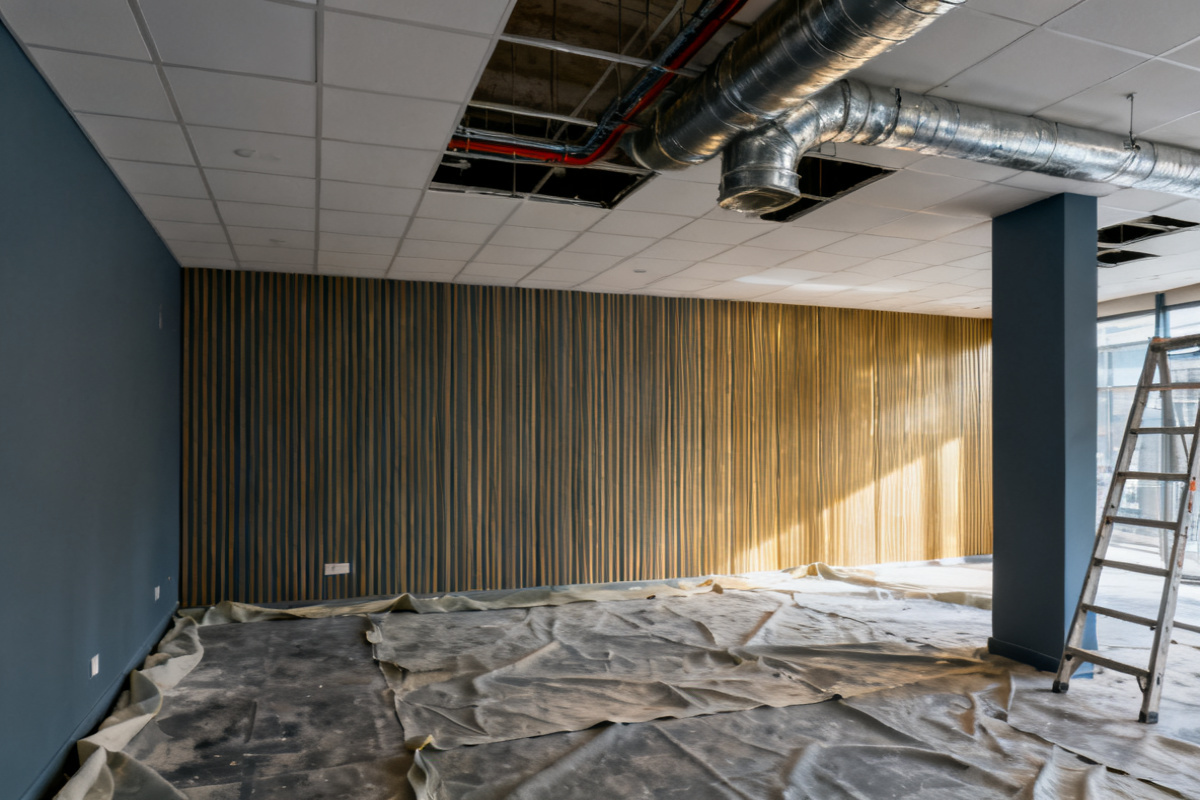
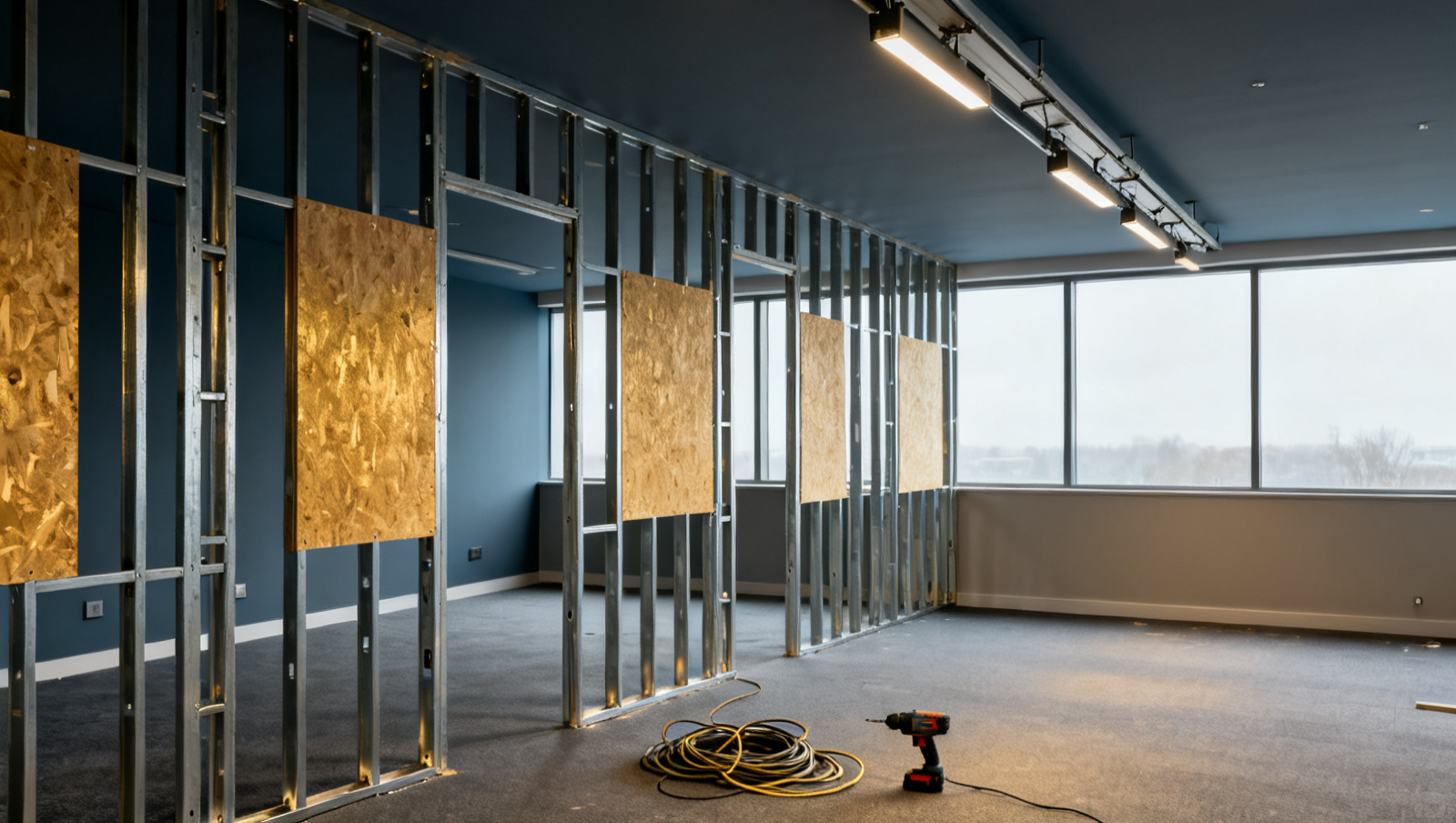
Refits, rewires, new heating, new kitchens, new air conditioning. Refurbishment is usually where the largest unclaimed allowances sit.
How this one worksThe reason so much goes unclaimed is not complexity for its own sake. It is that identifying the qualifying items inside a building is a surveying job as much as an accounting one.
Your accountant sees a single figure on a completion statement. Nobody has broken that figure down into the heating, the electrics, the fire alarm and the fitted kitchen, because doing so takes a site survey and a valuation of each element.
That breakdown is the work. Once it exists, the allowances follow.

The building type matters less than people expect. What matters is how you came by it and what you have spent since.
If you own a property
If you are buying or selling
FAQ
A few questions about the property. No cost, no obligation, and a straight answer either way.