THOMTAX

Capital allowances on hotels, pubs and restaurants

Hospitality is the highest-value property type for capital allowances, and it is not close. A commercial kitchen alone can carry more qualifying plant than an entire office floor.

Check this property

Two things stack here. Hospitality buildings contain an unusual density of plant, because they have to cook, chill, heat water, extract air and accommodate people at the same time. And they are refurbished on a cycle, because a tired venue stops trading well. That combination means a long-held hospitality property usually has several tranches of substantial qualifying expenditure behind it.

What qualifies in hotels, pubs and restaurants

Commercial kitchens
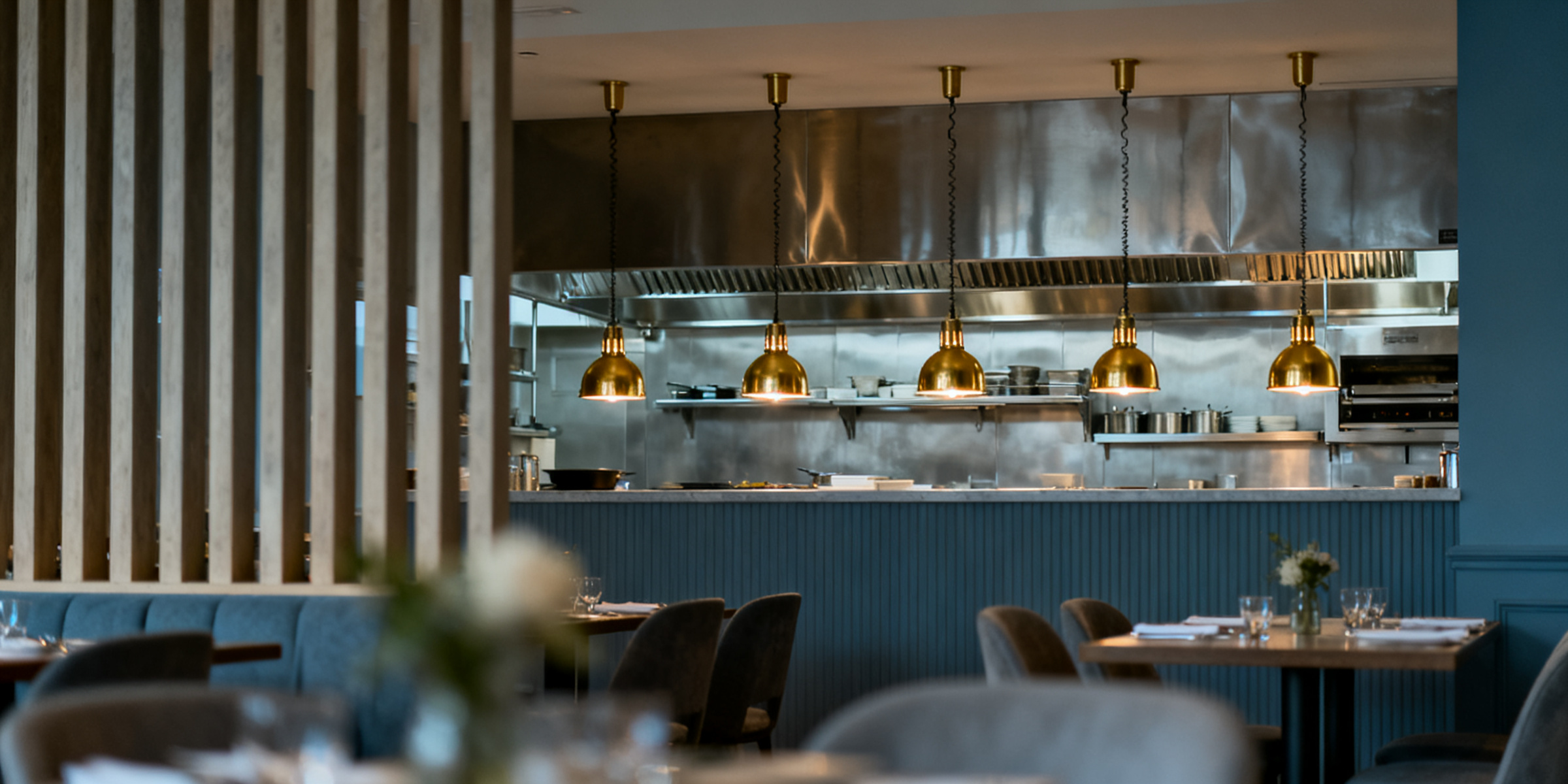
Ranges, extraction canopies, ductwork, stainless steel, dishwashing and gas interlocks.
Cold rooms, cellars and cellar cooling
Refrigeration, insulated panels and beer line systems.
Hot water and heating
Hospitality hot water demand is far above an office of the same size.
Bars, servery and back-fitting
Fixed bar structures, under-counter refrigeration and dispense.
Bedroom fit-out
For hotels: sanitaryware, lighting, fitted furniture and the electrical installation serving it.
Air conditioning and ventilation
Kitchen extract and make-up air are usually the heaviest part.
Lifts, laundry and back of house
Guest lifts, service lifts and on-site laundry plant.
Fire alarms, sprinklers and emergency lighting
Requirements are heavier in sleeping accommodation.
External areas
Terrace heating, lighting, canopies and kitchen extract flues.

Not an exhaustive list, and not every item applies to every building. What counts in your case is established by survey, not from a page.
The refurbishment cycle is where the money is

A hotel refurbishes bedrooms on a rolling basis. A pub gets a new kitchen, then a new cellar system, then a redecoration with new lighting. Each of those is capital expenditure on plant, and each is usually recorded as a refurbishment project rather than examined for allowances. Where a property has changed hands as a going concern the position is more complicated again, because the fixtures came with it and their treatment depends on what the sale documented.

Which of these is you

You own and operate the venue

Both the acquisition and every refurbishment since are in scope. The refurbishments are usually the larger half.

You are a tenant of a pub company or landlord

If you funded the kitchen, the cellar cooling or the refit, that expenditure is yours.

You bought the business as a going concern

The fixtures transferred with it. Whether you can claim on them depends on the pooling and fixed value requirements and what the sale agreement said.

You converted a building into hospitality use

Conversion projects tend to carry very high qualifying content, because nearly everything that makes the new use possible had to be installed.

Questions we get about hotels, pubs and restaurants

We lease the pub from a pubco. Can we still claim?

If you paid for the works, yes in principle. Tied and leased pub agreements vary a lot in who funds what, so the agreement and any landlord contribution need reading rather than assuming.

We refurbished the restaurant three years ago. Was that a capital spend?

Part of it almost certainly was. A refurbishment usually mixes repairs, which are revenue, with new plant, which is capital. Splitting the two properly is part of the exercise and matters in both directions.

Does a hotel bedroom count as a dwelling?

Hotel bedrooms are not treated as dwelling-houses in the way that residential accommodation is, so the plant within them is generally in scope. Serviced apartments and aparthotels are a more nuanced question.

Other property types

Find out what your venue is holding.

A few questions about the property. No cost, no obligation, and a straight answer either way.

Check this property

Find out what it is holding

Free, no obligation

Check your property