Capital allowances on commercial property
Every commercial building contains fixtures that qualify for tax relief, and most owners have never claimed a penny of it. This guide explains what actually qualifies, why it goes unclaimed, and the one rule that can lose the relief permanently if it is missed. Written for owners rather than accountants.
Key information
Capital allowances on commercial property
1. What capital allowances actually are
Capital allowances are the mechanism the UK tax system uses to give relief for capital spending on plant and machinery. Rather than deducting the cost in one go as an expense, you write it down against taxable profits over time, at rates set in law.
The part that surprises most property owners is how much of a building counts as plant. Not the walls and floors, but a long list of things fixed into the structure and needed to use it.
When you buy a commercial property you buy all of that in a single price. When you refurbish one, you replace a good deal of it. Either way the qualifying expenditure exists. It just has to be identified and valued before it can be claimed.
2. Where the relief hides
Three moments create qualifying expenditure, and most owners have had at least one of them.
- When you bought it
- A share of what you paid for a commercial property relates to fixtures already in the building. That share can qualify, even if the purchase was years ago and you have owned it ever since.
- When you built or extended
- New build and extension costs split between the structure and the plant inside it. The structure has its own relief. The plant has a better one.
- When you refurbished
- Refits, rewires, new heating, new kitchens, new air conditioning. Refurbishment is usually where the largest unclaimed allowances sit.
What counts as plant inside a building
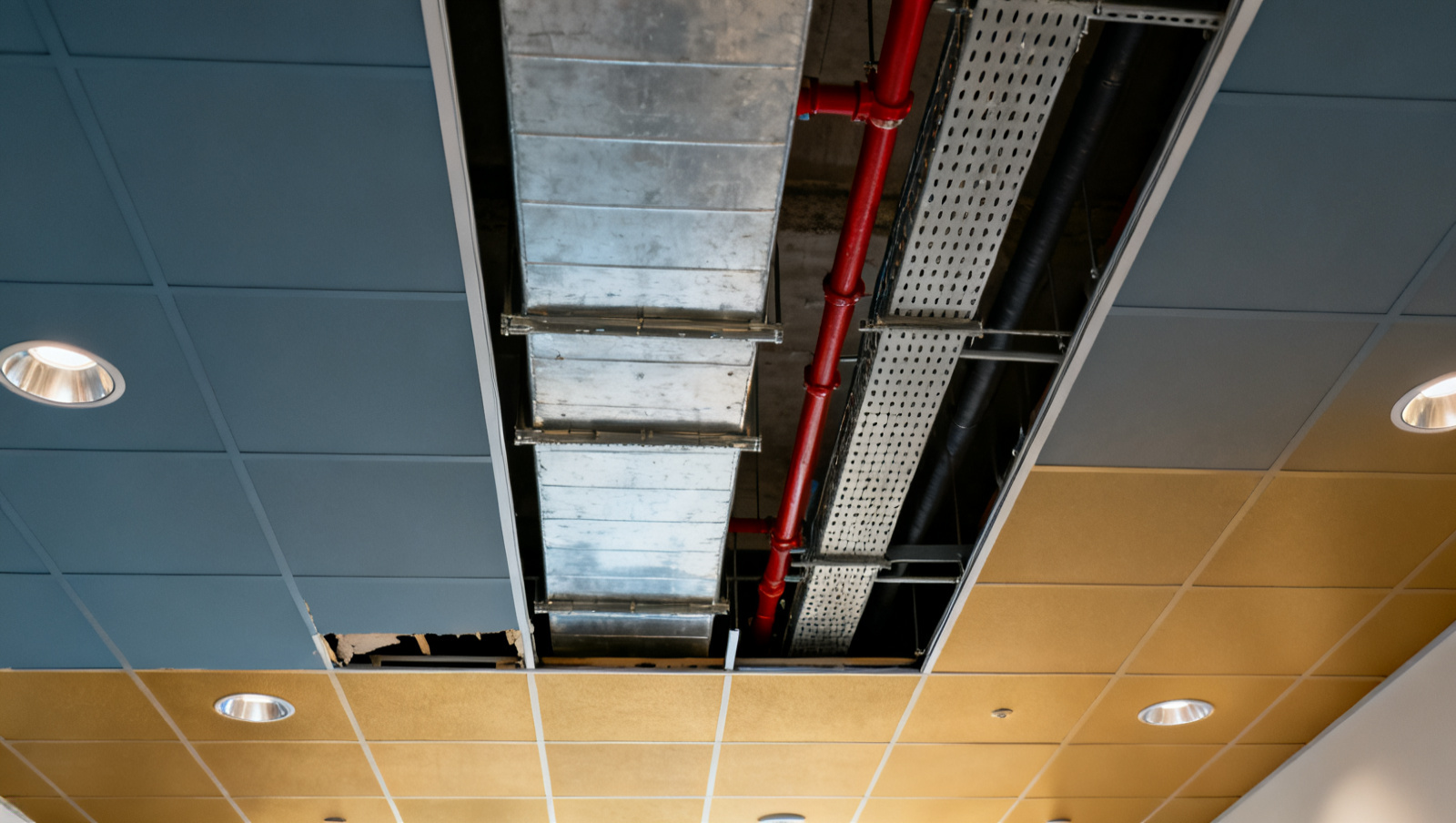
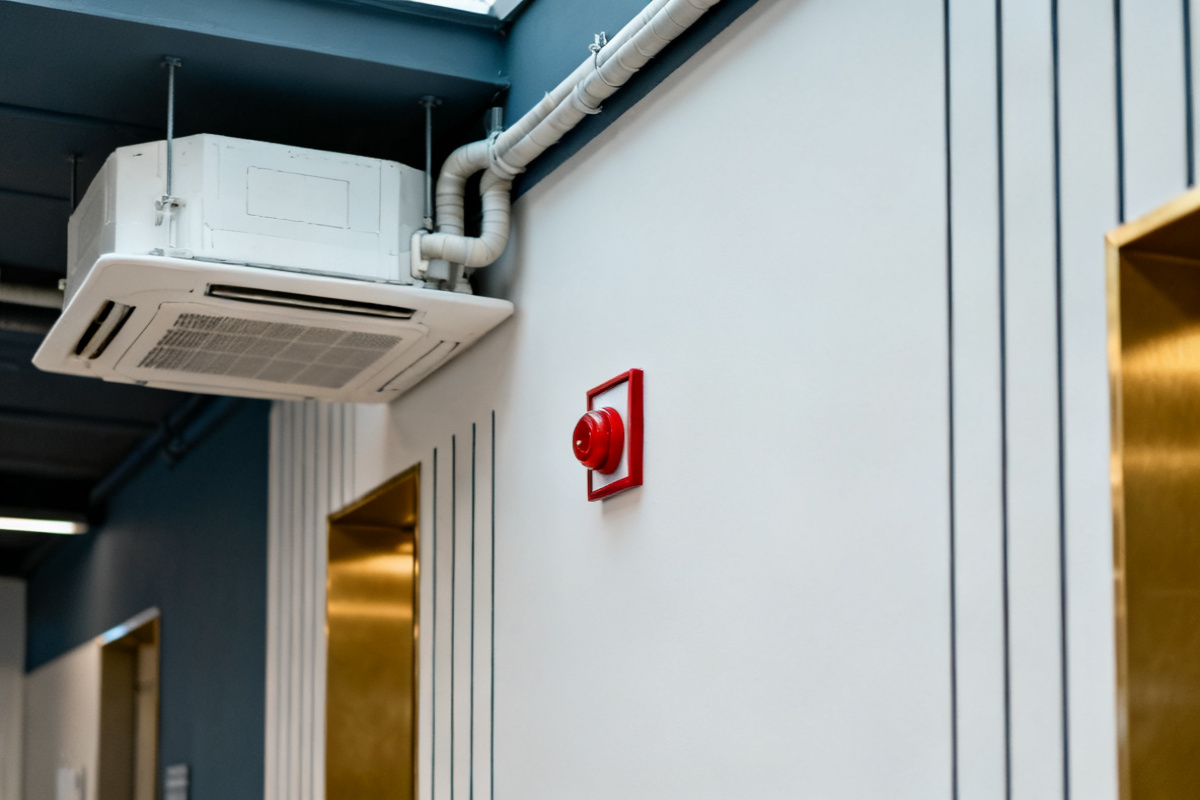
Heating and hot water systems, air conditioning and ventilation, electrical and lighting installations, fire alarms and sprinklers, security systems, lifts and escalators, sanitaryware, fitted kitchens, data cabling.
3. The four reliefs that matter
Different spending falls into different pools, and the pool decides the rate. Splitting the two properly is the whole point of the exercise.
- Main pool, 18% a year
- General plant and machinery, written down on a reducing balance basis.
- Special rate pool, 6% a year
- Integral features: electrical systems, cold water, space and water heating, air cooling, lifts and escalators, thermal insulation, solar shading. Slower, but the pool most commercial buildings fill first.
- Annual Investment Allowance, £1m
- Gives 100% relief in year one on qualifying plant and machinery up to £1 million a year. Availability depends on the nature of the expenditure and it does not apply to everything.
- Structures and Buildings Allowance, 3%
- For the parts that are not plant. Construction costs of non-residential structures, written off straight line.
4. Why a survey is involved
When a commercial property changes hands the price is one number. The law needs it split into the land, the structure, and the individual fixtures that qualify as plant. That split has to be made on a just and reasonable basis, which in practice means someone has to go and look at the building, list what is in it, and value each element.
This is why capital allowances sit outside normal accountancy work. Your accountant sees a single figure on a completion statement. Nobody has broken that figure down into the heating, the electrics, the fire alarm and the fitted kitchen, because doing so takes a site survey and a valuation of each element.
It is a surveying and valuation exercise with a tax outcome attached, and estimating it from a set of accounts is not good enough to put in front of HMRC. That breakdown is the work. Once it exists, the allowances follow.

5. The 2014 fixtures rules, and why they matter on a purchase
For commercial property purchases completed from April 2014, two conditions have to be satisfied before a buyer can claim allowances on fixtures the seller owned.
The pooling requirement means the seller must have brought the qualifying expenditure into their own capital allowances pool. The fixed value requirement means buyer and seller must agree the value attributed to those fixtures, normally through a section 198 election signed within two years of the transfer, or have it determined by tribunal.

Miss both and the relief is gone for good
Not deferred, lost, and lost to everyone. This is why capital allowances belong in the conveyancing conversation rather than a tidy-up eighteen months later, and it is the single most expensive thing owners find out too late.
6. Common situations
- I have owned the building for fifteen years and never claimed
- The most common case and often the best one. Expenditure that has never been claimed can generally still be brought into account in a current return while you continue to own the property. Purchases before April 2014 are not subject to the pooling and fixed value conditions, which makes older acquisitions comparatively straightforward.
- I am buying a commercial property right now
- The timing is in your favour and you should deal with it before completion. The section 198 election is agreed between buyer and seller, so the room to negotiate exists during the transaction and disappears afterwards. Two years is the outside limit and it goes quickly.
- I am selling
- Worth understanding what you are giving away. The fixtures value agreed in the election affects your own position as well as the buyer's, and signing whatever is put in front of you at the last minute is rarely the best outcome.
- I lease the property rather than own it
- Tenants who fund their own fit-out can often claim on that expenditure. The lease terms and who paid for what decide it.
- The property is a furnished holiday let
- Holiday accommodation has been treated differently from ordinary residential property, and the rules in this area changed recently. Worth checking rather than assuming either way.
7. How this works
Thom Tax is the front end. We ask enough about the property to establish whether a claim is likely, what kind of expenditure is involved, and whether the rules allow it. That takes a few minutes and costs nothing. If the answer is no, we say so and you get your time back.
Where there is something worth pursuing, we introduce you to CapEx, who are capital allowances specialists. They carry out the survey, build the claim and deal with HMRC.
None of the above is advice about your specific position. It is a description of how the relief works, written to help you judge whether a claim is worth investigating. The numbers depend entirely on the building.