Capital allowances on a leased property you fitted out
Most material on capital allowances is addressed to owners, which leads a lot of tenants to assume the subject has nothing to do with them. It usually does.
Check this property Most material on capital allowances is addressed to owners, which leads a lot of tenants to assume the subject has nothing to do with them. It usually does.
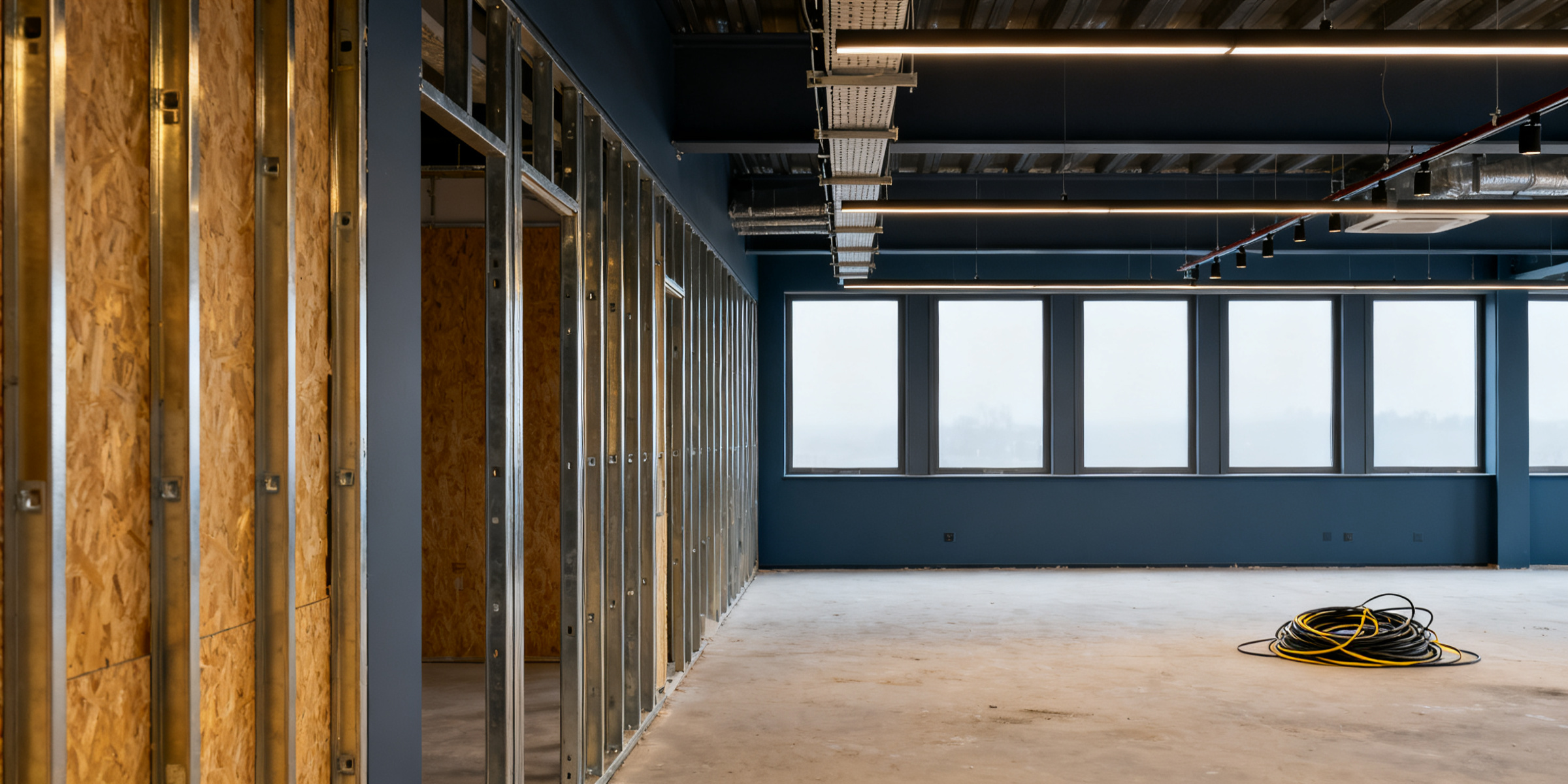
Check this propertyCapital allowances attach to the person who incurred the expenditure on qualifying plant, not to the person whose name is on the title. If you lease your premises and you paid for the fit-out, that expenditure is yours. It is also unusually easy to evidence: an owner has to apportion a purchase price across land, structure and fixtures, whereas a tenant who fitted out a unit can generally point at the invoices.
Not an exhaustive list, and not every item applies to every building. What counts in your case is established by survey, not from a page.
If your landlord contributed to the fit-out, as cash, as a reverse premium, or by carrying out works themselves, then some of that expenditure was not incurred by you and you cannot claim on it. Depending on how the contribution was structured and documented, the landlord may be entitled to allowances on their share instead, or in some arrangements nobody claims because entitlement was never established. The licence to alter, the schedule of works and the agreement for lease decide it, which is why it is worth looking while the documents are still to hand.
You fitted out the unit and the landlord paid nothing
The straightforward case. The expenditure is yours and the allowances should follow it.
You had a rent-free period instead of a contribution
A rent-free period is not a contribution to your capital expenditure and generally does not reduce what you can claim on works you funded.
The landlord contributed a fixed sum
Your claim is on your share. The contribution has to be identified and stripped out.
You took an assignment with the fit-out in place
You are buying fixtures from the outgoing tenant and the fixtures rules apply much as they do on a purchase.
There is no minimum lease term for plant and machinery allowances. A short lease does not disqualify a claim on expenditure you have already incurred.
If you leave the fixtures behind there is a disposal to account for, and the treatment depends on the lease terms and on whether you were paid anything. Reinstatement itself is normally a revenue cost, which is a separate relief and often missed.
Each project is its own expenditure. Older refits that were never claimed are often still available, and superseded items may need writing out.
Other property types
A few questions about the property. No cost, no obligation, and a straight answer either way.
Check this propertyFind out what it is holding
Free, no obligation
We use cookies to measure how the site is used and to make our advertising more relevant. You can say no and the site works exactly the same. Cookie policy