THOMTAX

Capital allowances on retail units

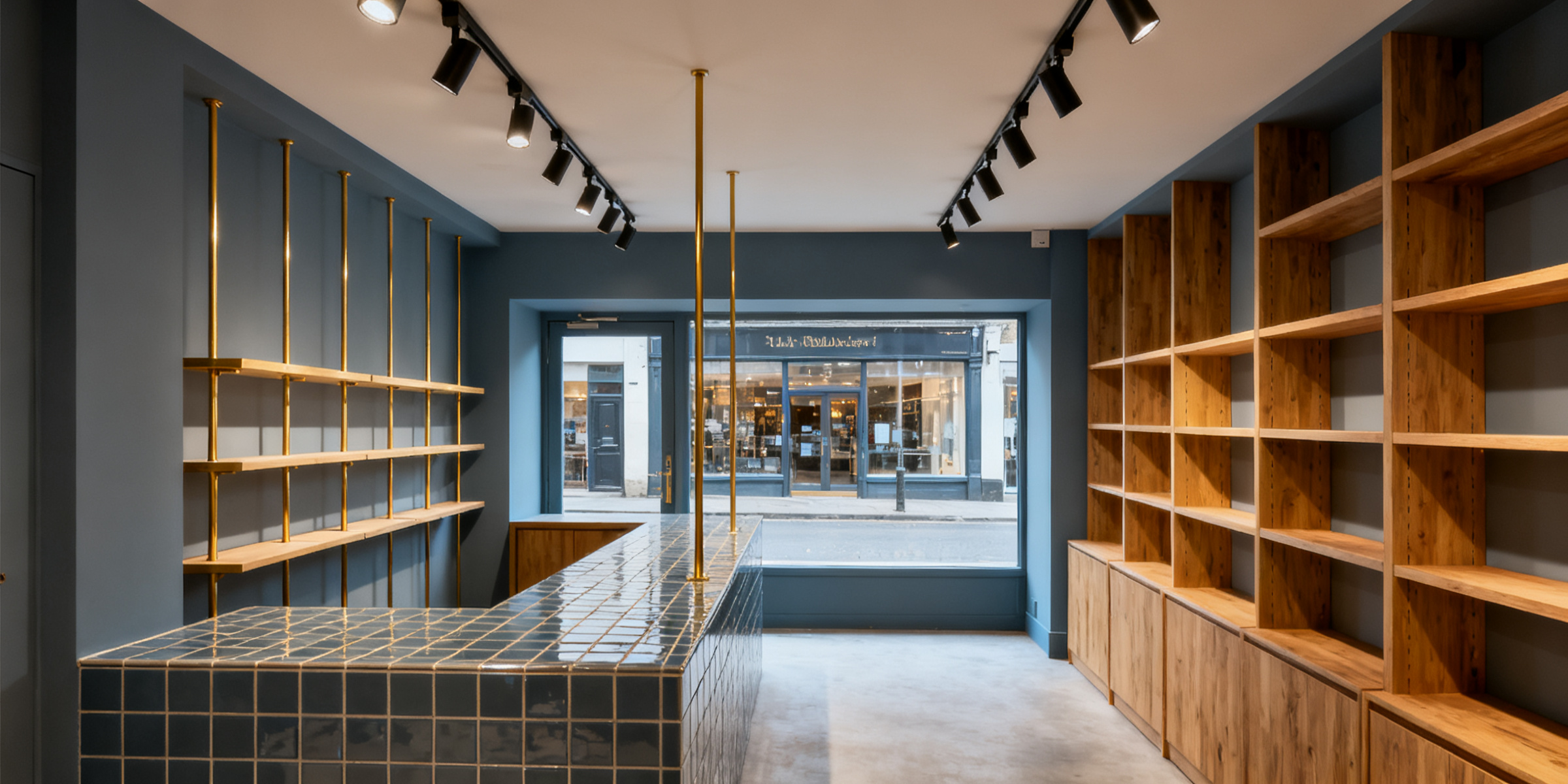
Retail is refit-driven. A shop that has traded for fifteen years has usually been fitted out three or four times, and each of those was capital expenditure on plant. That history is where the value usually is, not in the bricks.

Check this property

Most retail tenants think of a shopfit as a cost of trading rather than as a capital asset, so it gets posted to the accounts and never looked at again. But a shopfit is lighting, heating, cooling, sanitaryware, security and often refrigeration, which is exactly the list the legislation is describing. The fact that it was replaced twice since does not remove the earlier expenditure from the picture, it just changes how it has to be handled.

What qualifies in retail units

Display and general lighting
Retail lighting spend is usually well above an equivalent office.
Heating, cooling and air curtains
Air curtains over an open shopfront are plant.
Security shutters, alarms and CCTV
Including electric roller shutters and their motors.
Refrigeration and cold storage
For food retail, often the single biggest item.
Counters, tills and fitted display units
Where fixed rather than free-standing.
Sanitaryware and staff welfare facilities
Back of house counts as much as front of house.
Shopfront glazing and entrance doors
Treatment depends on whether the element is structure or plant, which is a question for the survey.
Signage and illuminated fascias
Illuminated signage is generally plant.

Not an exhaustive list, and not every item applies to every building. What counts in your case is established by survey, not from a page.

The refit history is the asset

On most commercial property the interesting question is what was inside the building when you bought it. In retail the more interesting question is what you have spent since. A unit refitted in 2014, 2019 and 2024 has three separate tranches of qualifying expenditure, and it is common for none of them to have been claimed properly. Superseded items also need writing out, which is a step that gets skipped and can matter.

Which of these is you

You lease the unit and paid for the shopfit

The most common retail case, and the one most often unclaimed. The expenditure is yours and the allowances should follow it.

You own a parade or a row of units

Each letting and each set of landlord works is its own position. Contributions to tenant fit-out need identifying.

You took an assignment with the fit-out in place

You are buying fixtures from the outgoing tenant, and what the assignment documented about their value matters a great deal.

You are a franchisee fitting to a brand standard

A brand-mandated fit-out is still your expenditure if you paid for it. The specification being someone else's does not change who incurred the cost.

Questions we get about retail units

Our fit-out was ten years ago. Is it too late?

Often not. Expenditure that has never been claimed can generally still be brought into account while you still hold the lease. What matters is whether it was ever pooled, not how long ago it happened.

We are a small independent, not a chain. Is this only for big retailers?

No. The relief is expenditure-based, not size-based. A single unit with a proper fit-out behind it is a perfectly ordinary claim.

Does the shopfront itself qualify?

Partly, and it depends on the element. Some of a shopfront performs a structural function and some of it is plant. That split is exactly what a survey establishes rather than something to assume either way.

Other property types

Find out what your retail unit is holding.

A few questions about the property. No cost, no obligation, and a straight answer either way.

Check this property

Find out what it is holding

Free, no obligation

Check your property